TOJALTEC RISKZERO™
Industrial Automation with a Performance Guarantee
Most suppliers promise results. Tojaltec commits to them contractually.
Automation projects with defined KPIs, agreed validation criteria, and accountability assumed until the target result is achieved.
Contractual Performance Guarantee
We assume a penalty of 2% of the project value for each business day of delay, starting from the 41st business day*
Support, at our own cost, until the agreed KPIs are validated
* Up to a maximum of 100% of the project value, in accordance with the agreed contractual terms.
Industrial companies in Portugal and abroad have trusted Tojaltec for over 25 years.

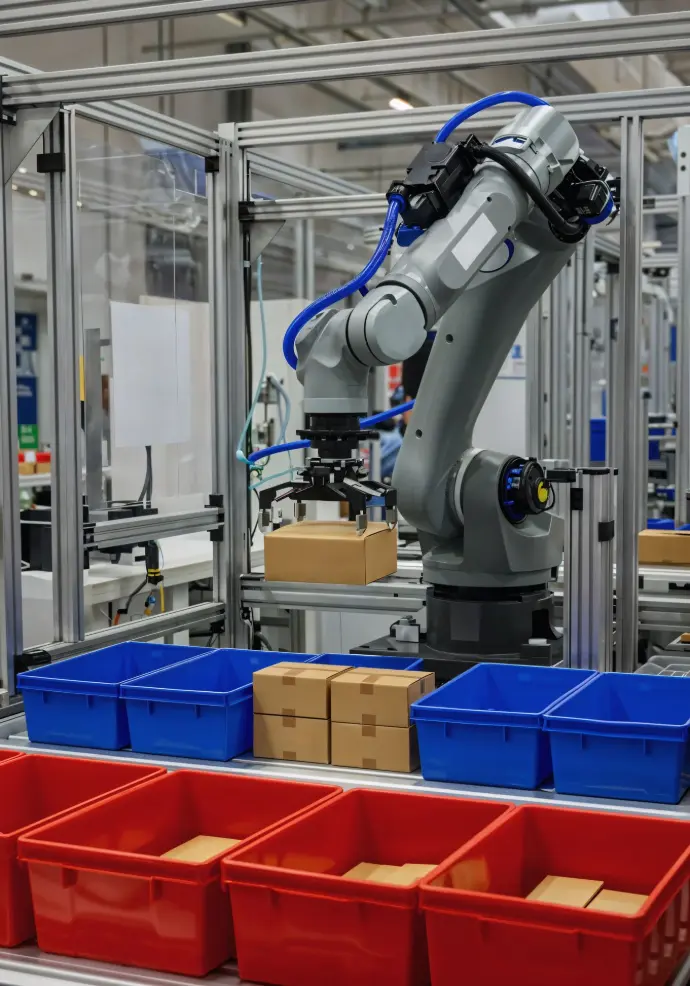
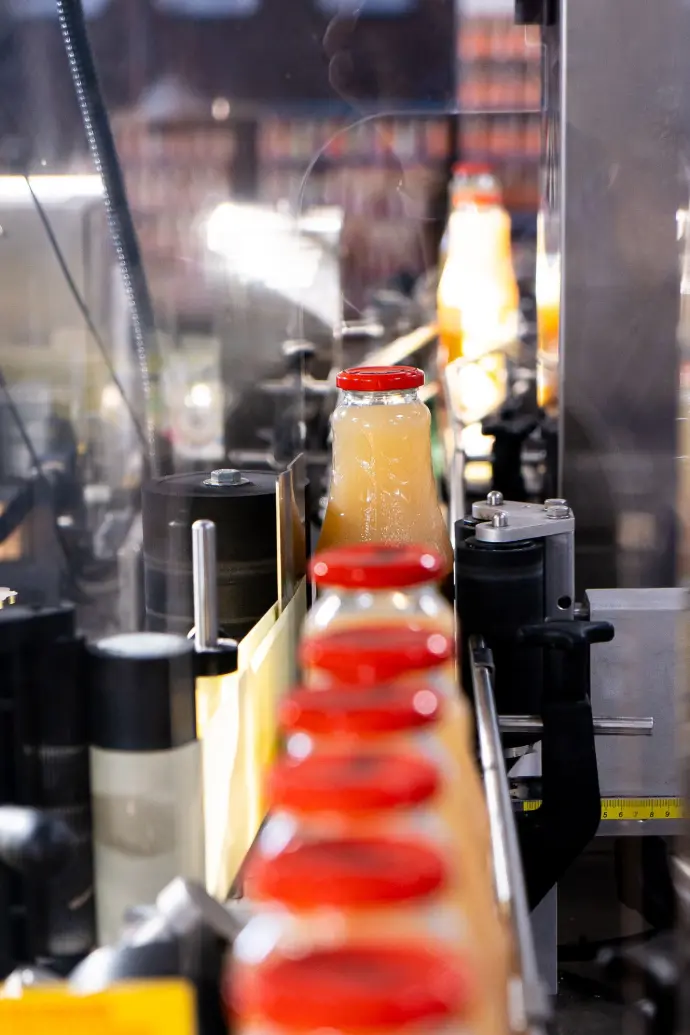
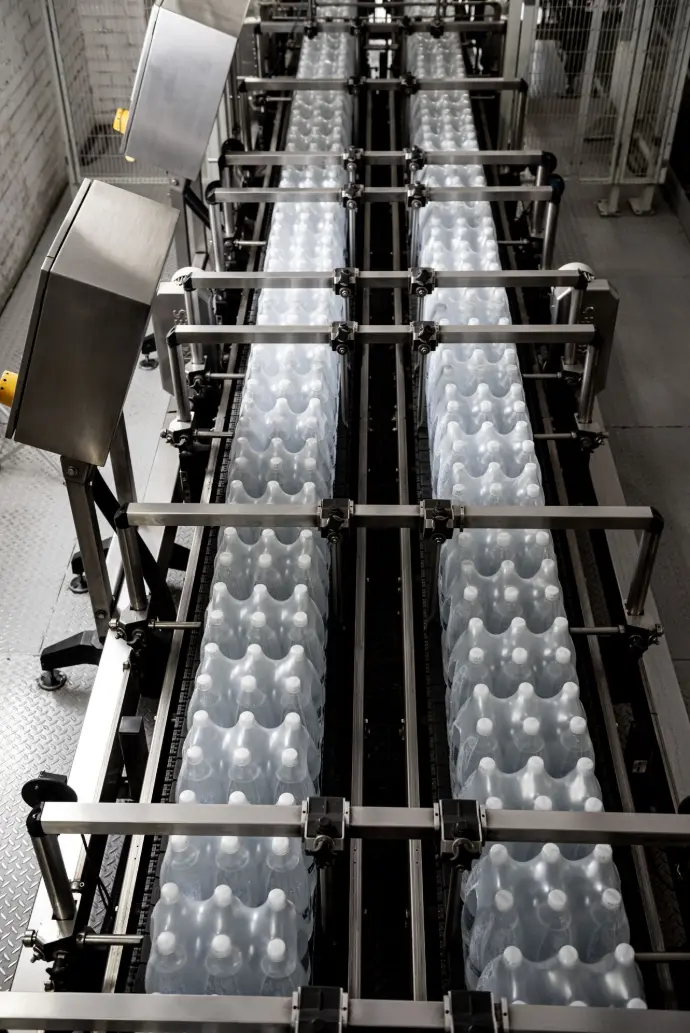
1. We validate before
committing
We analyse the operation, define the KPIs,
and confirm technical feasibility before
assuming any guarantee.

3. We assume the performance risk
After the contractually defined ramp-up and stability period, if the agreed KPIs are not achieved and validated, we continue to support you and cover the costs of technical assistance until they are achieved.
And, from the 41st business day onwards, we assume a contractual penalty for each business day of delay.
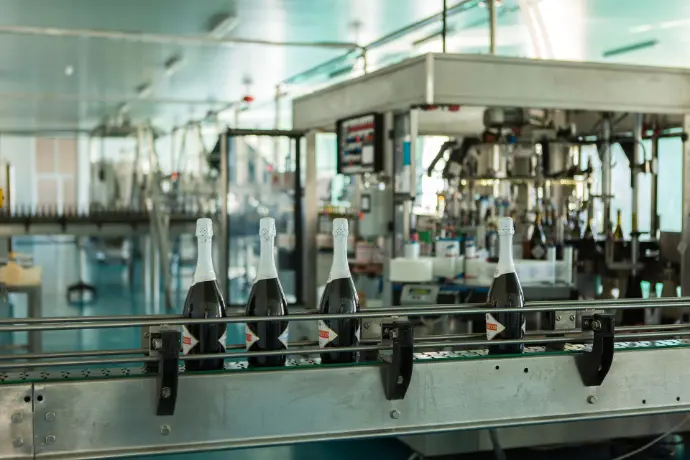
2. We commit to the
results
The KPIs, validation criteria, and responsibilities
are contractually formalised before the
project begins.
What You Get in Phase 1 - Blueprint™

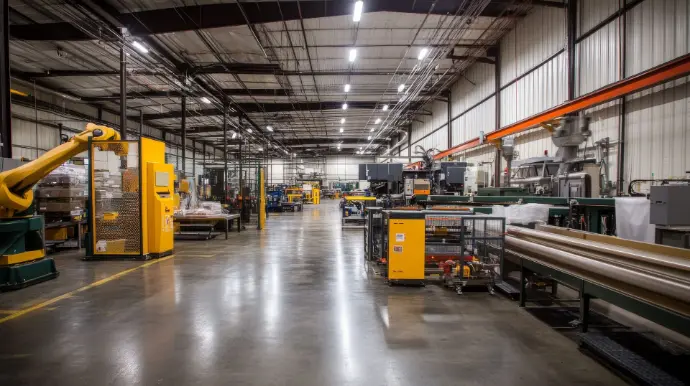
Process analysis, within and beyond the solution
We study what comes into and out of the automation solution: the upstream and downstream processes, product variants, cycle times, and integration with the existing setup. This is where we identify all external conditions that could affect the solution’s performance before committing to it.
Defined Contractual KPIs
We quantify the current situation and define, together with you, the KPIs that will be covered by the contractual guarantee. Without agreed KPIs, there is no guarantee and we do not proceed.

Technical Concept and Solution Architecture
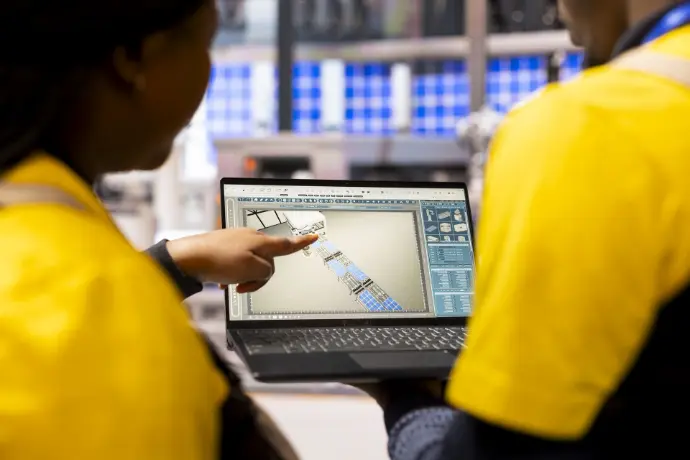
We develop the solution concept, size the main equipment, and define the operating and integration strategies for your systems.

A Proven Solution, Ready to Implement
At the end of Phase 1, you have a validated solution: the KPIs it will guarantee, the timeframe for going into production, and the required investment. The only decision left is whether to proceed.

Return on
Investment
We translate the improvement into numbers based on real data from your operation, rather than generic assumptions, and quantify the expected return.
The Blueprint™ Guarantee
The financial commitment for Phase 1 is always yours.
If the Blueprint™ does not confirm a viable and financially justifiable solution, the full amount will be refunded.
If confirmed, the full amount will be credited towards the project investment.
Why Do Many Automation Projects Fail to Deliver the Expected Results?
Every Day of Delay Has a Cost That Is Rarely Calculated
A solution that goes into production later means lost production and that has a daily cost. It is a figure that is rarely included in the investment calculations, yet just a few weeks of delay can completely offset the discount achieved during
price negotiations.
Performance Never Reaches the
Expected Level
The solution is installed and operational, but falls short of the performance level that justified the investment. And because the gap can always be attributed to the operation, the product, or factory conditions, the discussion ends there. The missing performance is never recovered: it becomes a permanent loss, borne by the company that paid for the equipment.
It was precisely to eliminate these two risks that we developed the Tojaltec RiskZero™ model a model
focused on results, not merely on delivering solutions.
The KPIs, validation criteria, and responsibilities are contractually defined before the project begins. If the agreed results are not achieved and validated under the defined terms, we continue to support you and cover the costs of technical assistance until they are validated. And the production start date becomes a contractual commitment, not an estimate.
WHAT HAPPENS IF THE RESULTS ARE NOT ACHIEVED?
The project includes a 30-business-day ramp-up period, during which the solution reaches the agreed KPIs, followed by 10 consecutive business days operating at that level.
If the KPIs are not achieved and validated by the 40th business day, we will continue to support the project until validation, fully covering the costs of that technical support.
From the 41st business day onwards, we assume a contractual penalty of 2% of the project value for each business day of delay, up to a maximum of 100% of the project value, in accordance with the agreed contractual terms.
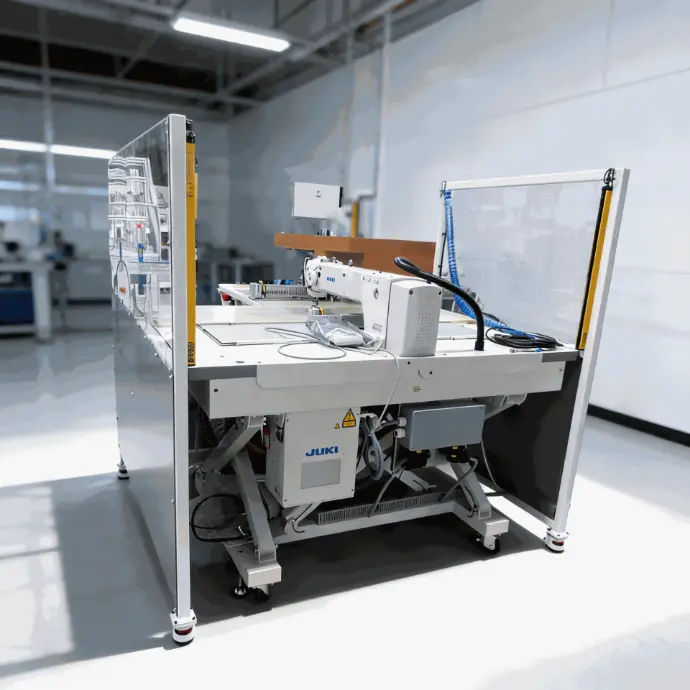
Textile Industry
Sewing system automation
+18% productivity | ROI in 19 months.
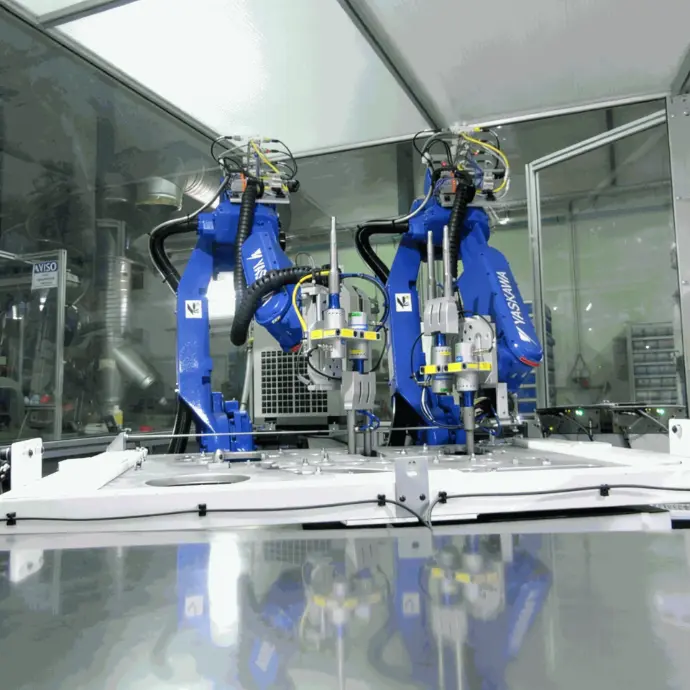
Plastics Industry
Automated ultrasonic welding
+35% productivity | ROI in 20 months.
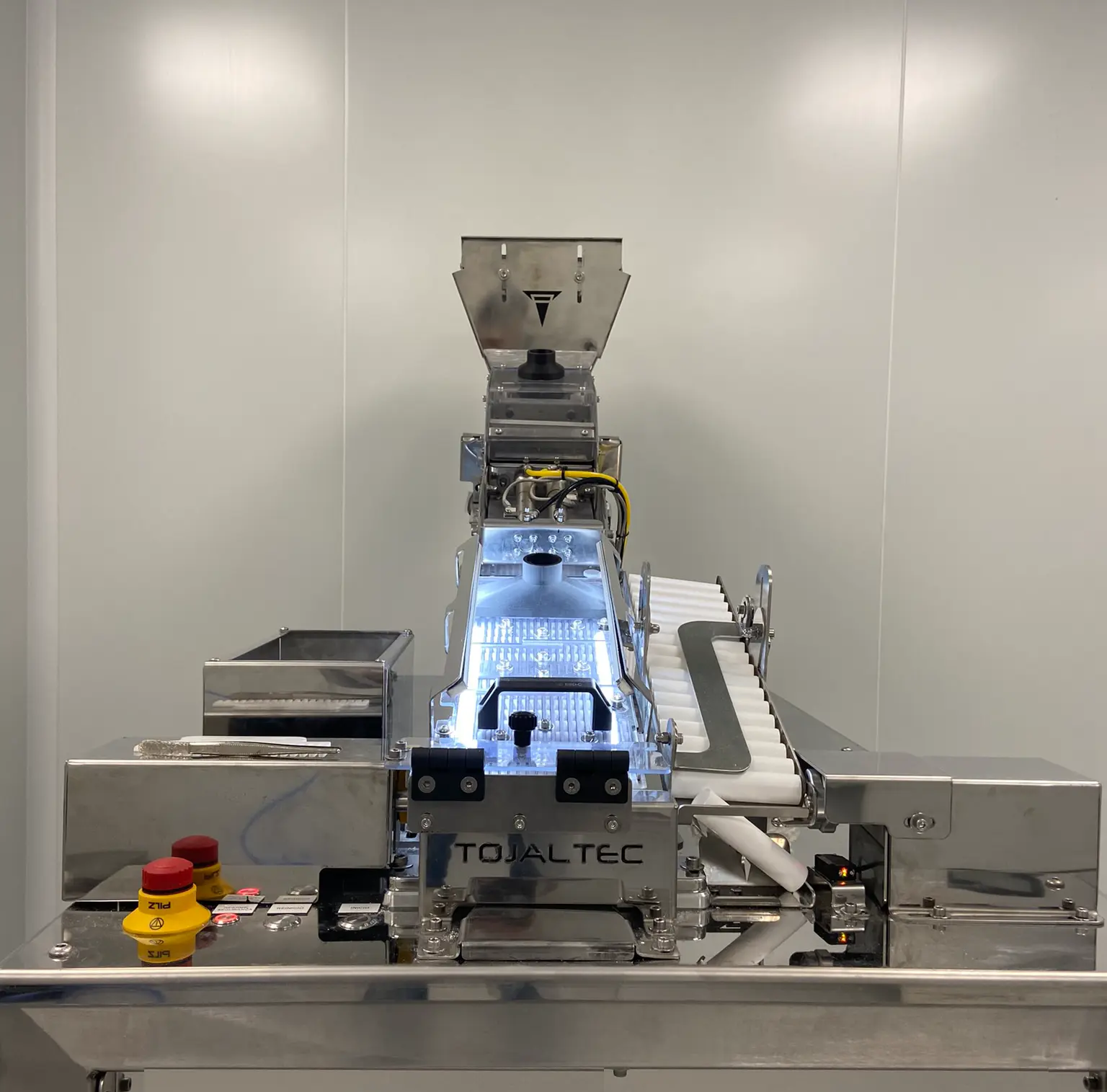
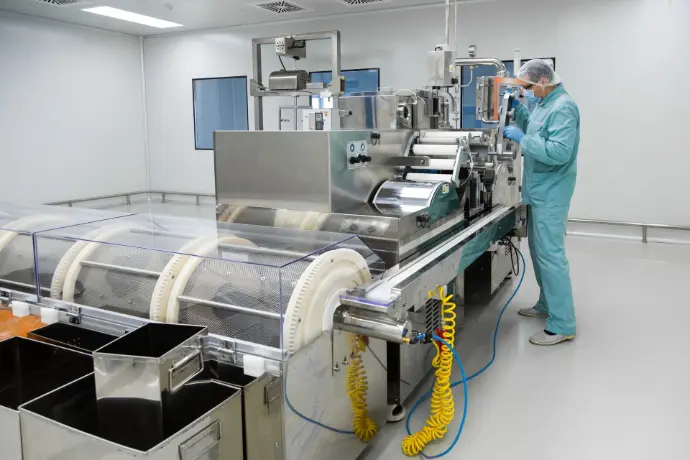
Pharmaceutical Industry
Tablet filling automation
+24% productivity | Greater process consistency
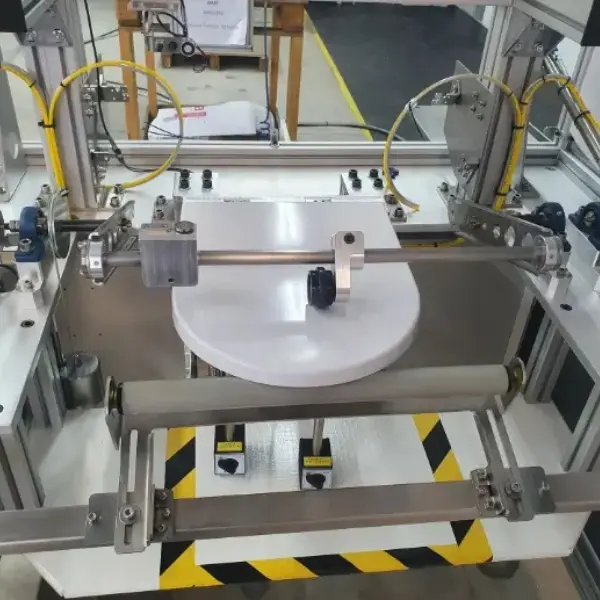
Bathroom Equipment Industry
Automated Durability Testing System -25% validation time | +38% test repeatability
The commitment is ours. The results speak for themselves.
Projects developed with measurable goals, in-operation validation, and a commitment to results.